
Build a Free Marketing Funnel for Beginners

You have the skills. You can design, write, edit video, build websites, whatever it is you do. What you don't have is an ad budget, and you're watching people with half your talent land clients because they've got a landing page, an email sequence, and a booking link doing the selling for them while they sleep. You're posting on Instagram and hoping. They built a system.
That gap isn't about money. A funnel is just a sequence: something pulls a stranger's attention, something convinces them to hand over their email, something turns that email into a conversation, and something turns the conversation into a paid gig. Every one of those four steps has a free tool that does the job well enough to get you paying clients. Not "good enough for now until you upgrade." Free-tier-forever good enough, if you're realistic about the limits.
This guide builds that full funnel using tools that cost nothing: Systeme.io for the funnel itself, MailerLite for email, Calendly for booking calls, Canva for the lead magnet, and Google Analytics for tracking what's working. By the end you'll have every piece connected and a checklist for what to do in the next hour.
Understanding the Free Marketing Funnel Framework
The Four Core Stages: TOFU, MOFU, BOFU, and Retention
A funnel has four stages, and beginners usually skip straight to the bottom one. Top of funnel (TOFU) is where a stranger first sees your name, through a LinkedIn post, a blog article, a Reddit comment. Middle of funnel (MOFU) is where that stranger becomes a lead by giving you their email in exchange for something useful. Bottom of funnel (BOFU) is where a lead becomes a client, usually through a call or a direct pitch. Retention is what keeps that client coming back, or keeps a lead who didn't buy yet on your list until they're ready.
Most people who complain that "content marketing doesn't work" only ever built the top stage. They post, they get likes, nothing converts, because there's nowhere for that attention to go. No landing page, no email list, no next step. The funnel is the plumbing between attention and payment, and without it, attention just evaporates.
Why You Do Not Need Paid Tools or Ad Spend to Convert
Paid ads buy you speed. They don't buy you a funnel that actually works, and a badly built paid funnel burns money faster than a free one burns time. The free-tier tools available in 2026 (Systeme.io, MailerLite, Calendly, Canva, Google Analytics) cover every stage of this process for a solo freelancer or small creator business. The tradeoff is contact limits and feature caps, not missing functionality. You'll hit those limits eventually, and that's a good problem, because it means the funnel is working and you can justify paying for more room.
Matching Free Tools to Each Stage of Your Customer Journey
Here's the stack this guide uses, stage by stage: LinkedIn, X, and niche forums for TOFU discovery. A blog post or landing page plus a Canva-made lead magnet for MOFU capture. Systeme.io as the free landing page and funnel host, MailerLite for the email sequence. Calendly for booking BOFU discovery calls. Google Analytics 4 and Systeme.io's built-in funnel stats for tracking the whole thing. Every one of these has a genuinely usable free plan, not a seven-day trial dressed up as free.
Top-of-Funnel (TOFU): Generating Free Organic Awareness
Building Organic Discovery on LinkedIn and Social Platforms
LinkedIn still rewards text posts from personal profiles more than almost any other platform rewards organic content, and it costs nothing but time. Post about a problem you solved for a client, a mistake you made and fixed, or a breakdown of how something in your field actually works. Skip the "day 47 of building in public" formula everyone's tired of. Comment on posts from people in your target industry before you ever post yourself; LinkedIn's algorithm favors accounts with existing engagement history. X works the same way for niches like tech, writing, and indie SaaS, though the discovery window on a single post is shorter, so frequency matters more there than on LinkedIn.
Capturing Search Intent with Strategic Blog Content
Social posts catch people scrolling. Blog content catches people searching, which is a warmer kind of attention because they already have a problem they're trying to solve. Pick keywords your ideal client would actually type into Google, things like "freelance contract template for designers" rather than "why hiring a designer matters." Google Search Console is free and shows you exactly which queries are already bringing traffic to your site, which is the fastest way to find topics worth expanding on. If your niche has more competition, the free tier of Ubersuggest gives you a rough keyword volume check before you commit hours to an article.
Utilizing Community Engagement and Niche Forums for Reach
Reddit communities and niche Slack or Discord groups convert better than most social platforms because the audience is self-selected around a specific problem. Answer questions with real detail instead of dropping a link and running. Most subreddits ban obvious self-promotion, so the value has to come first, and the profile click comes as a byproduct. Indie Hackers works the same way for anyone selling to other freelancers or small business owners. This is slow, and it should be, because it's building trust rather than buying it.
Middle-of-Funnel (MOFU): Creating High-Converting Free Lead Magnets
Choosing the Right No-Cost Lead Magnet Format
The lead magnet has one job: solve a small, specific problem fast enough that someone trusts you with a bigger one. A checklist, a template, a short swipe file, or a five-minute video walkthrough all work better than a generic "free guide" because they're immediately usable. Skip the 40-page PDF nobody opens. If you're a freelance writer, a "10 subject lines that got 40%+ open rates" swipe file beats a "Complete Guide to Email Marketing" every time, because it's specific and takes two minutes to use.
Designing Professional Assets Using Free Graphic Design Tools
Canva's free plan covers everything a lead magnet needs: templates for PDFs, checklists, and worksheets, plus enough stock elements that the result doesn't look homemade. The free tier locks premium templates and some brand-kit features behind Canva Pro, but the base template library is large enough that you won't run out of options for a single lead magnet. Export as PDF for print-style documents, since PDFs load reliably across devices and don't require the reader to have any particular software.
Crafting Problem-Solving Checklists, Templates, and Guides
Write the lead magnet the way you'd explain the fix to a friend who already knows the basics. Skip the throat-clearing intro. If it's a checklist, make every item something the reader can literally check off, not a vague principle like "focus on quality." If it's a template, fill in one example row so they see exactly how to use it before they touch it themselves.
Building Your Free Lead Capture Page and Email System
Setting Up Free Landing Pages on Modern No-Code Builders
Systeme.io's free plan includes unlimited landing pages, one funnel, and up to 2,000 contacts, which covers most beginners for a long time before they need to upgrade. It also connects directly to its own email tool, so you're not stitching two separate free plans together with a connector that might break. Carrd is a lighter alternative if you just want a single simple opt-in page; its free plan caps you at three sites and drops custom domains and forms behind the paid tier, so Systeme.io is the better starting point if email capture is the point of the page.
Configuring Free Email Marketing Tools for Contact Management
MailerLite's free plan covers up to 1,000 subscribers and 12,000 emails a month, with automation workflows included rather than locked behind a paid tier, which is unusual for a free plan and worth using even if you're already running your funnel through Systeme.io. Set up a single "New Lead" group and tag people by which lead magnet they downloaded, so your later emails can reference the specific thing they asked for instead of a generic welcome.
Embedding Clean Lead Forms on Your Existing Blog
If you already have a blog running (see how to read Google Analytics 4 for tracking it), you don't need to send that traffic to a separate landing page. MailerLite and Systeme.io both generate embeddable form code that you can drop directly into a blog post's HTML, right after the paragraph where you mention the problem the lead magnet solves. A form that appears in context converts better than one bolted onto a sidebar nobody reads.
Bottom-of-Funnel (BOFU): Converting Subscribers into Paying Clients
Writing a Simple 3-Part Automated Welcome Email Sequence
This is the part most beginners skip, and it's the part that actually makes money. Three emails, spaced two to three days apart, set up once in MailerLite's automation builder and left running.
Email 1, sent immediately: "Here's your [lead magnet name]" Deliver the download link in the first line, no delay. Add two or three sentences on how to actually use it, since half of subscribers never open lead magnets they were sent. Close with one question that invites a reply, like asking what they're currently struggling with in that area. Replies are the single best signal that a lead is warm.
Email 2, sent two days later: "The mistake that costs [target client] the most" Teach one specific thing related to the lead magnet's topic. No pitch yet. This is where you build the case that you actually know what you're talking about, using a real example from client work if you have one.
Email 3, sent three days after that: "Want help with this directly?" Now pitch. Reference the problem from email two, then offer a specific next step: a free 15-minute call, or a direct link to your service page. Keep the ask small. "Book a call" converts better at this stage than "hire me," because a call is a lower-commitment yes.
Offering Free Consultations and Value-First Discovery Calls
A short, free call does more selling than any pitch email, because the lead gets to ask questions and you get to diagnose their actual problem instead of guessing at it in writing. Keep it to 15 minutes, and spend most of that time asking questions rather than presenting your services. People buy from whoever understood their problem best, not whoever talked the longest.
Presenting Low-Friction Pitch Offers and Service Packages
After the call, send a short, specific proposal instead of a full-service menu. One clear package with one clear price converts better than three tiers for a first-time client, since decision fatigue kills more deals than price does. Save the tiered pricing for repeat clients who already trust you enough to compare options.
Automating Your Zero-Budget Funnel with Free Integrations
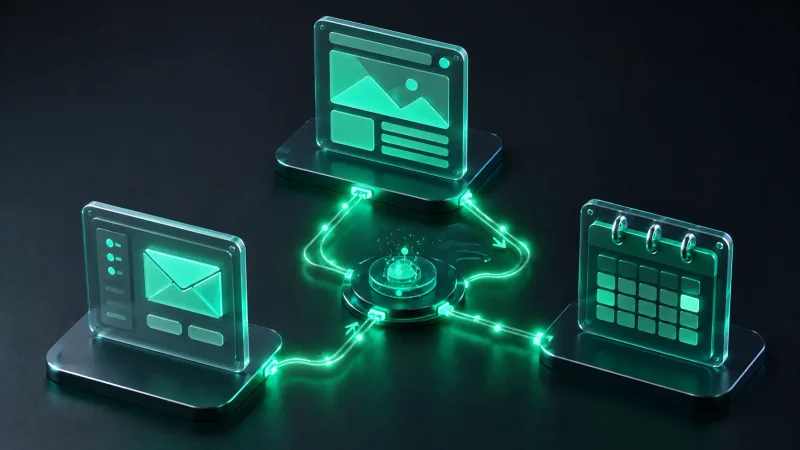
Connecting Web Forms to Email Lists via No-Cost Connectors
If you're using Systeme.io end to end, you don't need a separate connector since the funnel and email tool are the same system. If you're mixing tools (say, a Carrd landing page feeding into MailerLite), Zapier's free plan gives you 100 tasks a month across single-step zaps, which is enough for a beginner's lead volume but will need an upgrade once you're capturing dozens of leads a day. Make.com's free plan offers 1,000 operations a month instead and supports slightly more complex multi-step automations at no cost, which makes it the better free option once your funnel has more than one moving part.
Automating Appointment Scheduling for Services and Calls
Calendly's free plan gives you one event type and unlimited bookings, which is genuinely enough for a single "free intro call" link. It won't let you run multiple call types (like separate intro calls and paid consulting calls) without upgrading, so pick the one call type that matters most right now. Drop the Calendly link directly into email 3 of your welcome sequence and on your BOFU landing page.
Testing and Verifying Your End-to-End Funnel Workflow
Before sending a single visitor to this funnel, go through it yourself as a stranger would: opt in with a spare email address, confirm the lead magnet arrives, confirm all three welcome emails fire on schedule, and click the Calendly link to confirm it actually books. Broken funnels usually break at the connection points, not inside any single tool, so this is the ten minutes that saves you weeks of leads falling into a gap nobody noticed.
Tracking and Optimizing Funnel Metrics for Free
Tracking Landing Page Conversion Rates with Free Analytics
Systeme.io shows opt-in rate per landing page directly in its dashboard, no separate analytics setup required. If you're running the funnel through your own blog instead, Google Analytics 4 tracks visitors and, with a bit of event setup, form submissions too. A landing page converting under 15% usually has a mismatch between what brought the visitor there and what the page promises, more often than it has a design problem.
Improving Email Open Rates and Click-Through Metrics
MailerLite's dashboard shows open and click rates per email without any extra configuration. Anything under a 20% open rate on your welcome sequence usually means the subject line is the problem, not the content, since subject lines are the only thing deciding whether the email gets opened at all. Test one variable at a time (subject line first, then send timing) rather than rewriting the whole email and losing track of what actually changed the number.
Fixing Funnel Leaks to Maximize Client Conversions
Look at where the numbers drop hardest: if landing page visits are high but opt-ins are low, the offer isn't clear enough. If opt-ins are high but call bookings are low, email 3's pitch is too weak or too soon. If calls happen but nobody books, the pitch itself needs work, not the funnel around it. Fix one leak at a time, starting with whichever stage has the biggest drop-off, and check organic vs. paid social strategy if your TOFU traffic itself is the bottleneck rather than the funnel below it.
- What is the best free marketing funnel builder for beginners?
- Systeme.io is the strongest starting point because its free plan bundles a landing page builder, email marketing, and one full funnel into a single tool with a 2,000-contact limit, so you're not stitching together multiple free plans with connectors that can break.
- How do I get people to enter my free marketing funnel without paid ads?
- Organic LinkedIn and X posts, search-optimized blog content, and active participation in niche forums like Reddit or Indie Hackers all drive traffic without ad spend. It takes longer than paid ads, but the trust built along the way tends to convert better once someone reaches your landing page.
- Can I run an email marketing funnel for free?
- Yes. MailerLite's free plan supports up to 1,000 subscribers and 12,000 emails a month, and it includes automation workflows at no cost, so a full welcome sequence can run without ever touching a paid plan until your list grows past that limit.
- What is the best lead magnet to create with zero budget?
- A short, specific checklist or template built in Canva's free plan usually outperforms a long guide, because it solves one narrow problem the reader can act on in a few minutes rather than asking for a bigger time investment before they trust you.
- How many emails should be in a beginner marketing funnel sequence?
- Three is enough to start: a delivery email, a value email that teaches something specific, and a pitch email with one clear next step. You can add more once you know which stage of the current sequence needs the most work.
Conclusion: Launch Your Zero-Budget Marketing Funnel Today
None of this requires a budget, and none of it requires waiting for the "right" tool to launch first. It requires building the four stages in order and connecting them so a stranger's attention has somewhere to go. If you've been posting content into a void with no landing page and no follow-up sequence, that's the gap, not your content quality.
Do these two things today. First, create a free Systeme.io account and build one landing page for a single lead magnet idea, even a rough one. Second, write email 1 of your welcome sequence in MailerLite, the delivery email, since that's the one piece every future subscriber will actually see. Everything else in this guide can be added over the following week, but those two pieces turn a list of ideas into a working funnel. For the traffic side of this, building a personal brand as a freelancer and starting affiliate marketing with zero audience both pair well with the funnel you just set up.
Related Articles
Explore the SEO & GEO hub →
7 Best Free AI Transcription Tools for Content Creators (2026)
Seven real, tested free transcription tools, with the honest limits nobody puts on their pricing page.

Email Marketing Basics for Content Creators
The only audience a platform can't delete overnight is the one whose email addresses you actually own.
9 Best Free Rank Tracking Tools for Bloggers (2026)
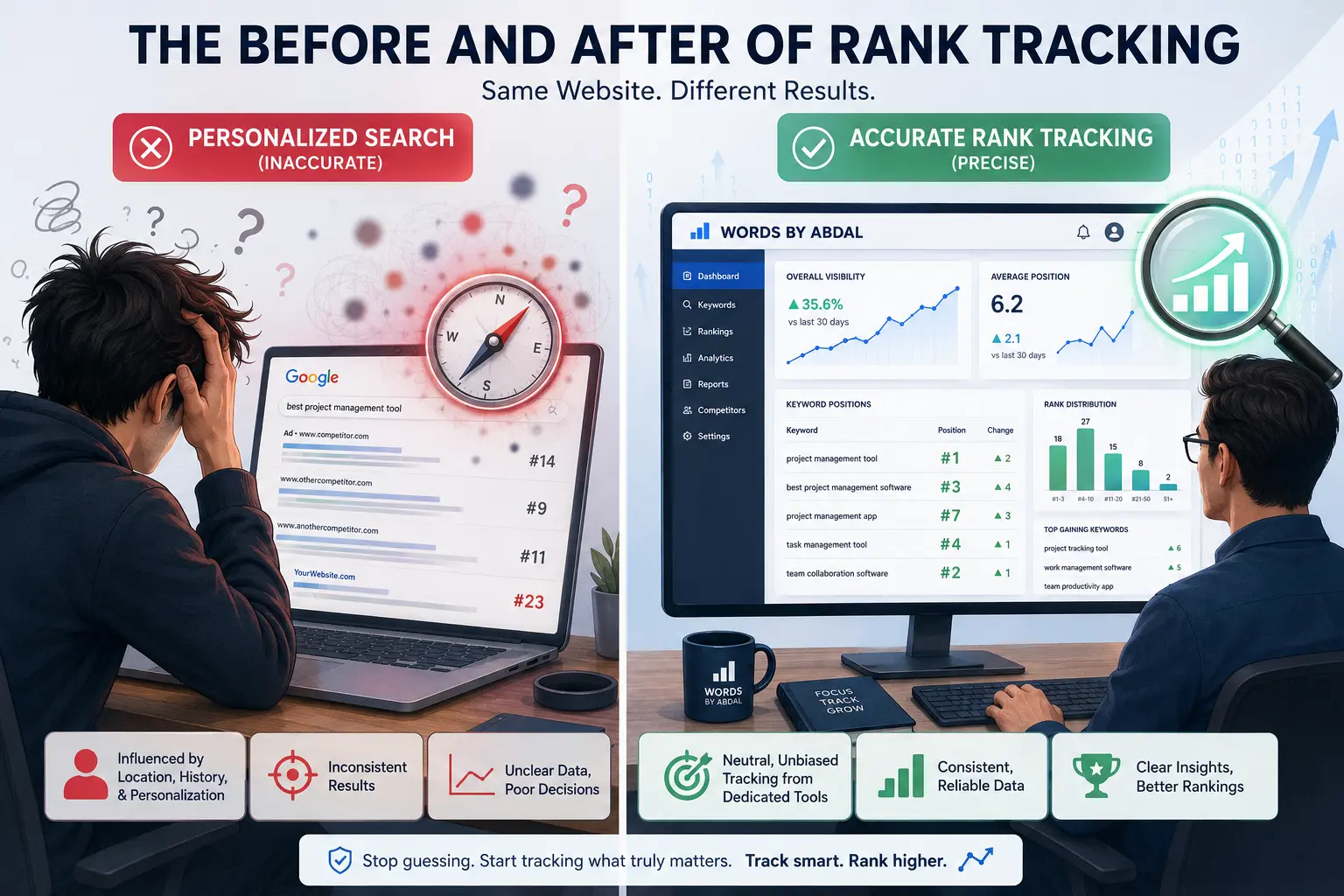
Manual Google searching lies to your face — here are the six free rank trackers that actually show where your blog stands in organic search.